
Florida's lodging landscape stretches far beyond beach resorts and theme park corridors. From century-old coastal motels on the Atlantic shore to character-rich inns tucked inside small-town historic districts, the state offers a surprisingly diverse set of properties where the building itself is part of the experience. This guide covers 5 historic hotels in Florida, selected across different regions and price points, so you can find the right fit based on where you're headed and what you actually need.
What It's Like Staying in Florida
Florida is one of the most visited states in the U.S., drawing travelers to its Atlantic and Gulf coastlines, natural springs, theme parks, and historic downtowns. The state spans over 800 miles from the Panhandle to Key West, meaning transport decisions matter enormously - most visitors rely on rental cars, as public transit is limited outside Miami and a few urban corridors. Historic properties in particular tend to cluster in smaller towns and beach communities where the pace is slower, parking is easier, and walkability is higher than in major resort zones.
Crowd patterns vary sharply by region. The northeast coast around Fernandina Beach and Flagler Beach stays quieter than the Orlando-Tampa axis, making it a strong pick for travelers who want Florida's character without the congestion. Interior towns like Mount Dora offer a genuinely local rhythm that coastal tourist strips simply don't.
Pros:
- Exceptional geographic variety - beach towns, historic inland cities, and natural parks all within driving distance
- Year-round sunshine makes outdoor exploration reliable even in shoulder season
- Historic districts in towns like Mount Dora and Fernandina Beach offer walkable, low-traffic environments
Cons:
- A car is essentially mandatory for most historic hotel locations outside major cities
- Summer heat and humidity (June-September) can make outdoor exploration uncomfortable mid-day
- Hurricane season (June-November) occasionally disrupts travel plans, especially on the coast
Why Choose Historic Hotels in Florida
Historic hotels in Florida offer something that modern chains structurally cannot - a sense of place. Whether it's a beachfront motel built in the 1950s or a Victorian-era inn in a preservation district, these properties are often embedded in neighborhoods where the architecture, rhythm, and community identity are intact. Room rates at historic properties often run around 20% lower than comparable-rated luxury hotels in the same market, especially in smaller Florida towns where land costs and competition keep pricing grounded.
The trade-off is room standardization. Historic buildings were not designed with modern hotel layouts in mind, so room configurations vary significantly - some units are generous with high ceilings and original woodwork, others are compact with quirky layouts. Breakfast and parking tend to be included more frequently at historic inns than at full-service chain hotels, which meaningfully affects value in Florida's increasingly expensive coastal markets.
Pros:
- Strong sense of local identity and architectural character unavailable in chain properties
- Breakfast and free parking are commonly bundled, reducing total trip cost
- Located in historic districts with walkable access to independent restaurants and shops
Cons:
- Room sizes and layouts are inconsistent - worth checking specific unit before booking
- Older buildings may lack soundproofing and modern insulation standards
- Elevator access is not always available, which matters for mobility-limited guests
Practical Booking & Area Strategy
Florida's historic hotel stock is spread across distinct geographic zones, and where you stay determines almost everything else about your trip. Jacksonville and its surroundings - including Yulee and the Amelia Island corridor - give travelers easy Interstate 95 access and proximity to one of Florida's best-preserved Victorian-era downtowns in Fernandina Beach, roughly 14 miles from the I-95 corridor. Mount Dora, in Lake County, is around 43 kilometers from Orlando yet operates at a completely different pace - antique shops, a historic waterfront, and no theme park crowds. The Wildwood area near The Villages sits centrally between Orlando and Gainesville, making it a logical stopover for road trippers crossing the state. Flagler Beach, sandwiched between St. Augustine and Daytona Beach, is one of Florida's last undeveloped barrier island towns, where historic motels still sit directly across from the Atlantic surf. Book at least 6 weeks in advance for peak winter travel (January-March) and spring break in the northeast and central Florida zones, when availability tightens quickly at smaller historic properties with limited room counts.
Best Value Stays
These properties offer strong practical value - free parking, included breakfast, and highway positioning that makes multi-stop Florida itineraries genuinely workable without overpaying.
-
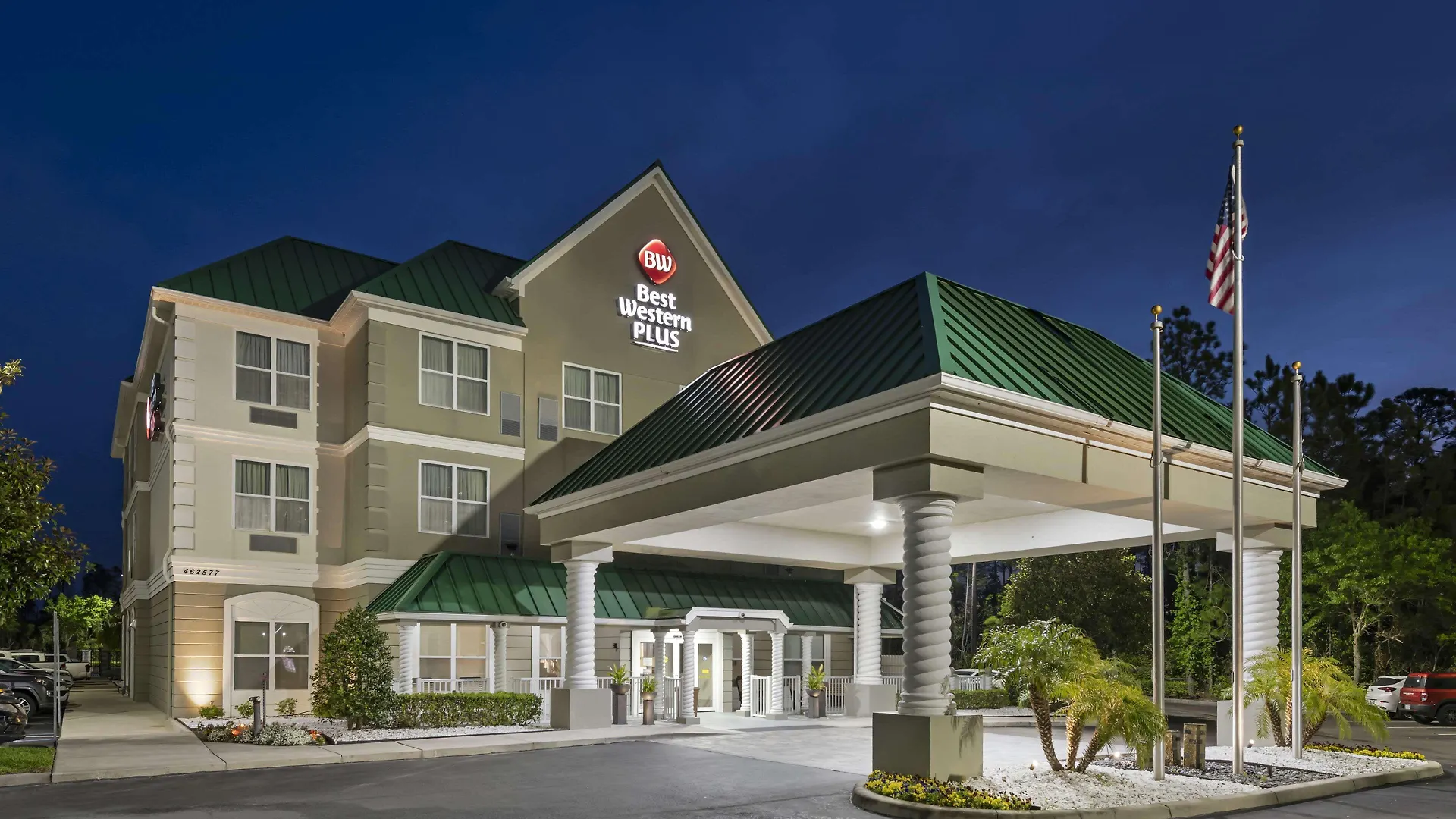
1. Best Western Plus First Coast Inn And Suites
Show on map


 Check-infrom 15:00 until 23:59Check-outuntil 12:00
Just a few rooms left at the best rate!
fromUS$ 117
-
2. Hampton Inn Jacksonville I-10 West
Show on map


 Check-infrom 15:00 until 23:00Check-outuntil 11:00
Just a few rooms left at the best rate!
fromUS$ 129
-
3. Comfort Inn & Suites Wildwood - The Villages
Show on map


 Check-infrom 15:00 until 23:59Check-outuntil 11:00
Hurry – almost gone at this price!
fromUS$ 139
Best Premium Stays
These two properties offer a stronger sense of historic identity - one embedded in a preserved Florida beach town, the other in one of the state's most atmospheric inland historic districts.
-
4. Topaz Motel - Flagler Beach
Show on map


 Check-infrom 15:00 until 18:00Check-outuntil 11:00
Hurry – almost gone at this price!
fromUS$ 79
-
5. The Heirloom Inn Mount Dora
Show on map


 Check-infrom 15:00 until 23:30Check-outfrom 01:00 until 11:00
Rooms filling fast – secure the best rate!
fromUS$ 234
Smart Travel & Timing Advice for Florida Historic Hotels
Florida's historic hotel market follows a seasonal pattern that differs from its beach resort economy. January through March is peak season across most of the state - snowbirds, spring breakers, and festival visitors drive up occupancy at small historic inns and motels, where room counts are limited and last-minute availability evaporates quickly. Properties in Mount Dora, for example, are frequently sold out during the town's annual Antique Fair in February, one of the largest in the Southeast. Book those windows at least 8 weeks ahead.
Flagler Beach and the northeast coast hit their quietest stretch in September and October - post-hurricane-season anxiety keeps visitor numbers down, but statistically those months deliver warm water, lower prices, and uncrowded beaches. Mid-week stays at historic properties typically run 15-25% cheaper than weekend rates, which matters more at boutique inns with only a handful of rooms than at large chain hotels where yield management is less aggressive. For road-trip itineraries connecting Jacksonville, the Flagler coast, and central Florida, three nights is the practical minimum to avoid spending most of each day in transit.


